
Road Safety Is a Shared Community Responsibility
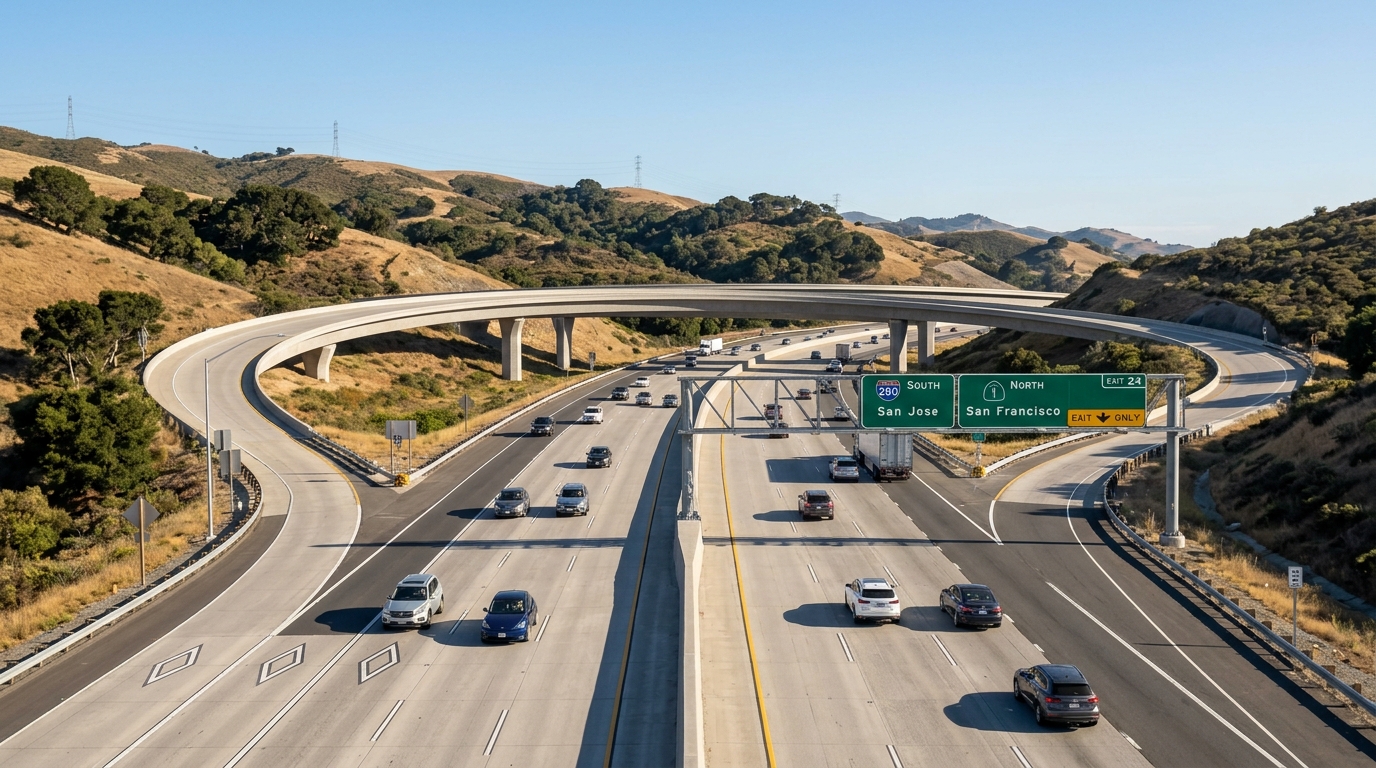
Roads connect California communities, support local economies, and make
everyday travel possible. From busy urban intersections to rural highways and
residential streets, millions of people depend on transportation
infrastructure to reach workplaces, schools, businesses, and essential
services.
However, every trip also involves responsibilities and potential risks.
Drivers must remain attentive, pedestrians need accessible crossing areas, and
cyclists require adequate space to travel safely. Building safer streets is
not solely the responsibility of individual road users. It also involves
public awareness, thoughtful infrastructure planning, and continued attention
to transportation safety.
Common Road Safety Concerns
Different road environments present different challenges. Heavy traffic,
changing weather conditions, limited visibility, road construction, and driver
behavior can all influence transportation safety. Understanding these concerns
is an important step toward encouraging more responsible travel.
Distracted Driving
Distractions can take a driver’s attention away from the road, even for a
brief moment. Mobile devices, navigation adjustments, conversations, and other
activities can reduce awareness of surrounding traffic. Drivers should keep
their attention on driving and avoid activities that interfere with safe
vehicle operation.
Speeding and Unsafe Driving Behavior
Excessive speed can reduce the time available to respond to unexpected
situations and increase the severity of a collision. Aggressive driving,
unsafe lane changes, and following other vehicles too closely can also create
dangerous conditions for everyone sharing the road.
Pedestrian and Bicycle Safety
People walking or cycling are more exposed to traffic-related risks than
occupants of passenger vehicles. Clearly marked crossings, adequate lighting,
accessible sidewalks, designated bicycle facilities, and attentive drivers all
contribute to safer travel environments.
Road Conditions and Visibility
Potholes, damaged pavement, poorly maintained road markings, construction
zones, and limited lighting can create additional challenges. Weather
conditions such as rain and fog may also affect visibility and vehicle
control. Road users should adjust their behavior to match the conditions
around them.
Why Public Awareness Matters
Transportation safety discussions often focus on regulations, infrastructure,
and enforcement. These are important considerations, but public awareness also
plays a significant role. When people understand common road hazards and
recognize how their decisions affect others, they are better equipped to make
responsible choices.
Community awareness can encourage safer driving habits, greater consideration
for pedestrians and cyclists, and more attention to potentially hazardous road
conditions. It can also help residents recognize transportation concerns that
may deserve attention from the appropriate local authorities.

travel.
Practical Ways to Encourage Safer Roads
Improving road safety starts with everyday decisions and a willingness to
consider the needs of other road users. While no single action can eliminate
every transportation risk, responsible habits can help create safer travel
environments.
-
Stay attentive: Keep your attention on the road and avoid
distractions while driving. -
Follow posted speed limits: Adjust your speed to traffic,
weather, visibility, and road conditions. -
Respect pedestrians and cyclists: Give vulnerable road
users appropriate space and follow crossing and right-of-way rules. -
Maintain your vehicle: Regularly check tires, brakes,
lights, and other important safety components. -
Use appropriate safety equipment: Wear seat belts and use
suitable protective equipment when cycling or riding a motorcycle. -
Report road hazards: When appropriate, notify the
responsible local agency about dangerous road conditions or damaged
infrastructure.
The Role of Communities in Transportation Safety
Safer streets require cooperation between road users, communities,
transportation professionals, and public agencies. Residents can help identify
concerns in their neighborhoods, participate in public discussions, and
support improvements that address local transportation needs.
Community feedback can bring attention to difficult intersections, inadequate
pedestrian facilities, poor lighting, and other infrastructure concerns.
Sharing these observations through appropriate reporting channels can help
responsible agencies better understand conditions on the ground.
Education and awareness initiatives can also reinforce the importance of
responsible driving and consideration for everyone using public roads.
Making Road Safety an Everyday Priority
California’s transportation network serves people with different travel needs,
routines, and destinations. Whether someone drives to work, walks to a nearby
store, cycles through a neighborhood, or travels along a major highway, road
safety remains relevant to everyday life.
Creating safer streets requires continued attention to individual behavior,
public awareness, infrastructure conditions, and community concerns. Small
responsible decisions can make a meaningful contribution, especially when they
become consistent habits shared by more road users.
At California Vocal, we believe transportation safety deserves ongoing public
attention. By discussing roadway concerns, encouraging awareness, and
exploring the experiences of California communities, we hope to contribute to
a more informed conversation about safer streets throughout the Golden State.