
Transportation plays an important role in everyday life across California.
From daily commutes and school trips to business deliveries and long-distance
travel, millions of journeys depend on roads, highways, public transportation,
and other mobility options. As communities grow and travel needs change,
transportation systems face increasing demands.
Understanding these challenges is an important step toward creating safer,
more accessible, and more efficient ways for people to move throughout the
Golden State.
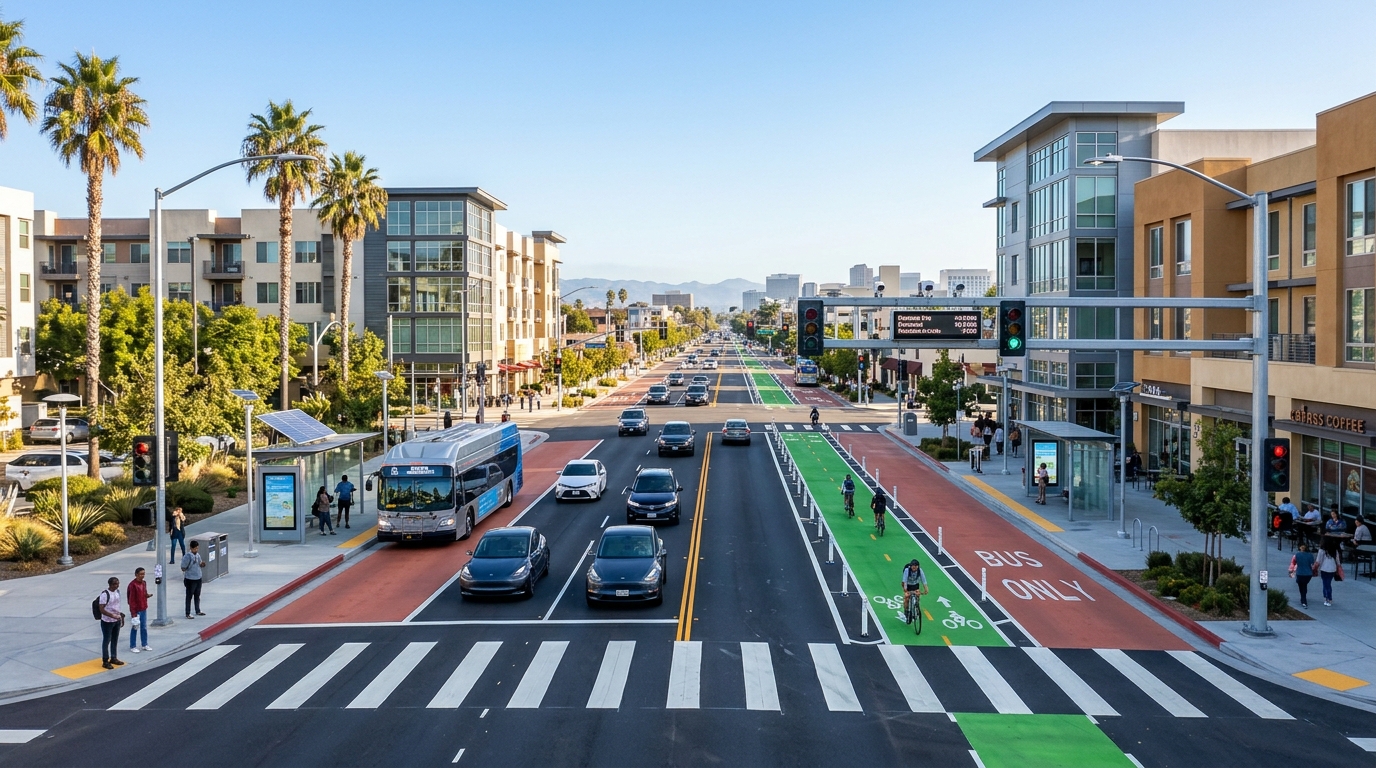
travel.
Understanding California’s Transportation Challenges
California’s geography, population centers, and regional differences create a
wide range of transportation needs. Urban areas often experience heavy traffic
and crowded transit systems, while smaller communities may have fewer public
transportation options and longer distances between essential destinations.
These differences make transportation planning a complex responsibility.
Solutions that work in a major metropolitan area may not be suitable for a
rural community, where residents may depend more heavily on personal vehicles.
Common Issues Affecting Everyday Travel
1. Traffic Congestion and Longer Commutes
Traffic congestion is a familiar concern for many people traveling through
busy California communities. Heavy vehicle volumes, road construction,
accidents, and limited roadway capacity can contribute to delays and
unpredictable travel times.
Longer commutes can affect work schedules, family responsibilities,
productivity, and overall quality of life. Improving traffic flow requires a
combination of transportation planning, infrastructure improvements,
responsible driving, and practical alternatives to driving alone.
2. Road Maintenance and Infrastructure Needs
Roads, bridges, intersections, sidewalks, and other transportation facilities
require regular maintenance. Weather conditions, frequent use, aging
infrastructure, and growing travel demands can create challenges for
transportation agencies and local communities.
Damaged pavement, unclear road markings, inadequate lighting, and poorly
maintained pedestrian facilities can affect the comfort and safety of people
using public roads. Consistent inspections, timely repairs, and long-term
infrastructure planning are important parts of maintaining reliable
transportation networks.
3. Public Transportation Access
Public transportation can provide an alternative to driving, particularly for
people who commute to work, attend school, or need access to essential
services. However, availability, service frequency, route coverage, and
connections between transportation systems can vary significantly between
communities.
Expanding convenient transit options and improving connections between buses,
trains, and other mobility services can help make public transportation more
practical for a wider range of residents.
4. Transportation Access in Smaller Communities
Residents in rural and less densely populated areas may face different
mobility concerns. Longer distances, limited transit schedules, and fewer
transportation alternatives can make it difficult to reach workplaces,
healthcare facilities, educational institutions, and shopping areas.
Community-based transportation programs, accessible transit services, and
regional planning can help address some of these gaps and improve connections
between smaller communities and nearby population centers.
Why Transportation Planning Matters
Effective transportation planning involves more than building additional roads
or expanding existing highways. It requires understanding how people travel,
identifying infrastructure concerns, and considering the needs of different
road users.
Good planning can help communities work toward:
- More reliable and efficient travel routes.
- Safer roads, intersections, sidewalks, and bicycle facilities.
- Better connections between neighborhoods and essential destinations.
- More accessible public transportation options.
- Infrastructure that can accommodate changing community needs.
- Transportation choices that support different mobility requirements.
How Residents Can Support Better Mobility
Improving transportation is a shared effort involving public agencies,
transportation planners, businesses, and community members. Residents can
contribute by staying informed about local transportation projects, following
road safety guidelines, and sharing concerns through appropriate community
feedback channels.
Everyday travel habits also matter. Drivers can help reduce risks by following
traffic rules, avoiding distractions, maintaining safe distances, and being
attentive to pedestrians and cyclists. Public transportation users and other
road users can also contribute by respecting shared spaces and following
applicable safety guidance.
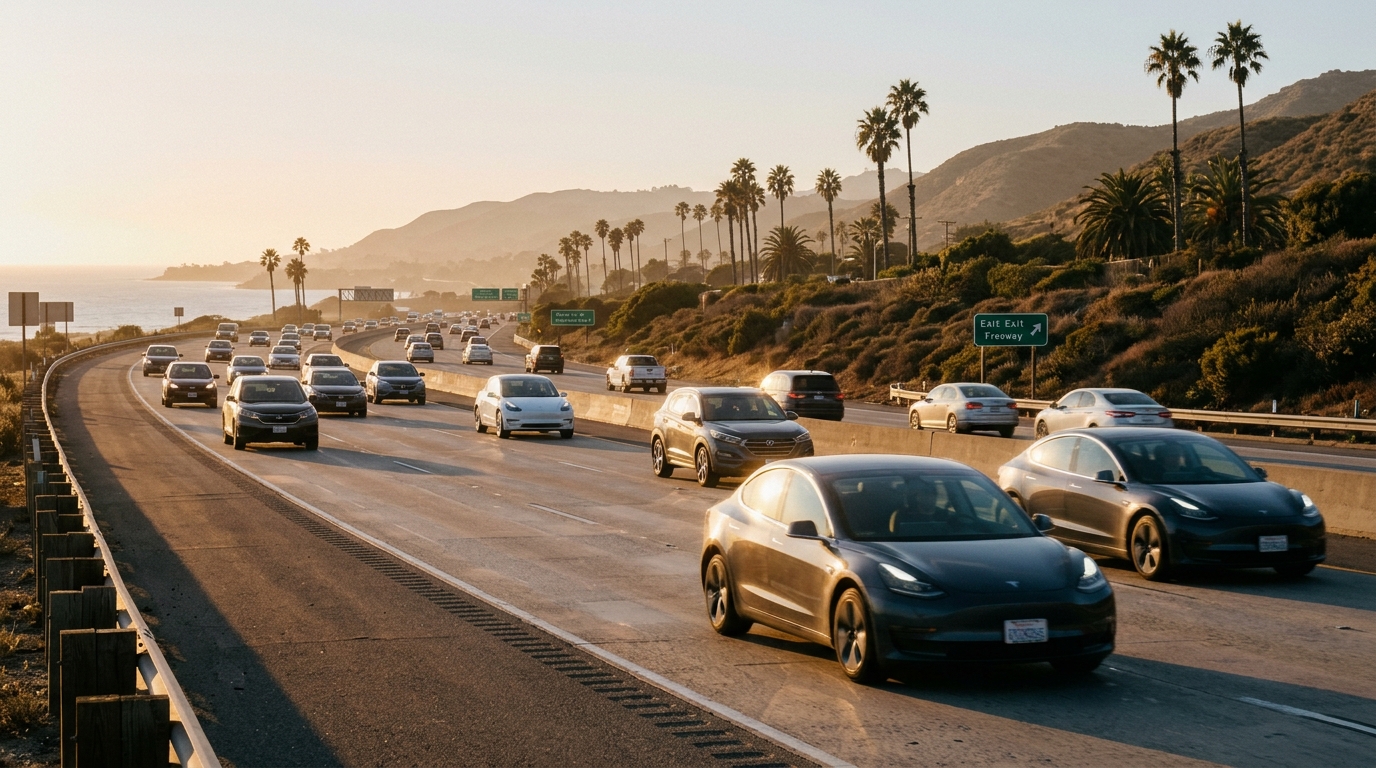
communities.
Looking Toward the Future of Transportation in California
California’s transportation needs will continue to evolve as communities grow,
technology develops, and travel patterns change. Improvements in public
transportation, roadway design, infrastructure maintenance, and transportation
accessibility can all contribute to a more connected state.
Future planning will also need to consider different community needs,
including the experiences of commuters, pedestrians, cyclists, people with
disabilities, and residents who have limited transportation options.
There is no single solution to every transportation challenge. Progress
depends on understanding local conditions, evaluating practical alternatives,
and making informed decisions that serve communities over time.
Conclusion: Creating Better Connections Across California
Transportation affects how Californians work, learn, access services, and
connect with the communities around them. Traffic congestion, infrastructure
maintenance, public transit availability, and regional mobility concerns all
deserve attention as the state continues to develop.
By encouraging informed discussions, responsible travel habits, and thoughtful
transportation planning, communities can help identify opportunities for
improvement. Building better ways to move is not only about reaching
destinations—it is also about making everyday travel safer, more accessible,
and more reliable for everyone.